

How the Next Generation of Buyers Engage Differently
The B2B buyer profile has evolved significantly over the past decade, driven by generational shifts and a rapid increase in digital adoption. Understanding the differences and commonalities between generations is fundamental to developing an effective go-to-market strategy.
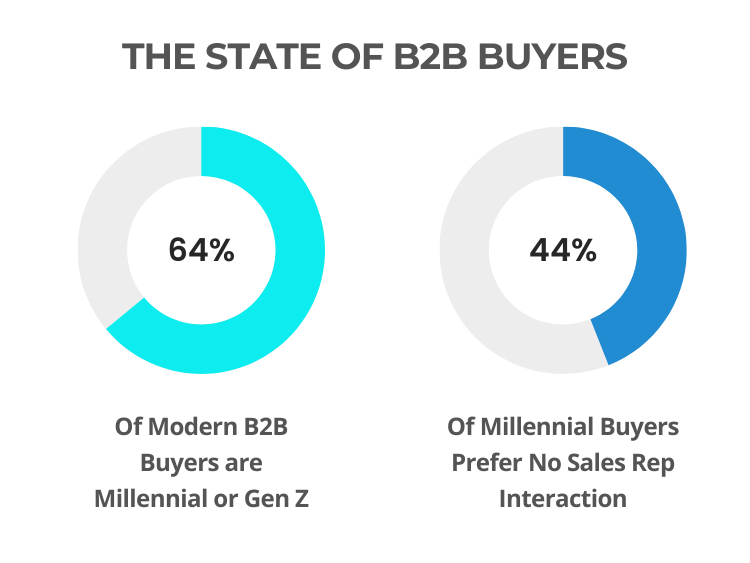
According to Forrester, Millennials and Gen Z already make up 64% of today’s B2B buyers, a figure expected to keep growing as more digital natives move into decision-making roles in the coming years. Understanding the distinct preferences of these buyers is crucial for companies aiming to succeed in a transforming B2B environment.
1. Digital Natives vs. Digital Adopters
- Gen Z and Millennials: These groups are digital natives, having grown up with the internet, mobile technology, and social media. They expect a highly digital experience and prefer to research products online without engaging directly with sales teams. According to Gartner, 44% of Millennials prefer no sales rep interaction during the buying process, a stark contrast to previous generations.
- Gen X: Although comfortable with digital tools, Gen X buyers are digital adopters, more likely to use a mix of traditional and digital methods. They may still value in-person meetings or phone calls and often rely more on personal relationships in business decisions.
2. Self-Service and Research Preferences
- Gen Z and Millennials: These buyers prefer self-service options and conduct extensive research before contacting a salesperson. Studies show that 67% of B2B buyers want to independently access content like case studies, peer reviews, and online forums before speaking with a vendor.
- Gen X: More accustomed to traditional sales interactions, Gen X buyers tend to engage with sales representatives earlier for detailed product discussions. They often rely more on direct expert advice from vendors.
3. Channel Preferences
- Gen Z and Millennials: Social media is a key platform for these buyers, active on LinkedIn, X, and even Instagram or TikTok for B2B research. According to a LinkedIn study, 75% of Millennial buyers use social networks for professional purposes compared to only 48% of Gen X . They also lean towards using messaging apps and email for communication rather than traditional phone calls.
- Gen X: While Gen X does use social media, they prefer more traditional platforms like LinkedIn and email for professional communication. They may still favor phone conversations or face-to-face meetings in the later stages of the decision-making process.
4. Speed and Expectations for the Buying Process
- Gen Z and Millennials: Speed is a critical factor. These buyers expect instant responses, seamless access to information, and fast decision-making processes. A Harvard Business Review study noted that Millennials are 2.5 times more likely to abandon a sales process due to delays or complexity.
- Gen X: More tolerant of longer, detailed buying processes, Gen X often prioritizes thorough vetting of solutions and emphasizes long-term relationships with vendors.
5. Flexibility and Customization
- Gen Z and Millennials: These buyers demand personalized experiences and flexible options that meet their needs. According to Salesforce, 89% of Millennial decision-makers say that a vendor’s ability to offer personalized content impacts their purchasing decisions.
- Gen X: While still valuing customization, Gen X buyers prefer a more structured approach and may be less focused on hyper-personalization. They often follow established processes for decision-making and change management.
6. Decision-Making Styles
- Gen Z and Millennials: Younger buyers typically favor collaborative decision-making. Millennials, in particular, value consensus-driven decisions and rely heavily on data and analytics. They often involve multiple stakeholders in the purchasing process.
- Gen X: Gen X buyers are more likely to be the sole or primary decision-makers, especially in leadership roles. Their decision-making style can be more hierarchical and relationship-driven.
Key Takeaway
To effectively engage Gen Z and Millennial B2B buyers, businesses should focus on creating a fast, highly digital buying experience with self-service options and easily accessible content. Conversely, engaging Gen X buyers requires a focus on relationship-building, trust, and a well-structured buying journey.
How do you see these trends impacting your business? Will they alter your GTM strategy? We’d love to hear from you—reach out to our team of GTM strategists today to discuss how you can leverage these trends to drive growth in 2025 and beyond.
